

ADHD Therapy for Adults: Your 2026 Treatment Guide

ADHD therapy is defined as a structured set of interventions designed to reduce core symptoms of attention deficit hyperactivity disorder and improve daily functioning in adults. ADHD persists into adulthood in up to 60% of cases, affecting an estimated 2.5–6.8% of adults worldwide. That scale means millions of people between 25 and 50 are managing real, daily impairment without an adequate plan. The evidence is clear: multimodal treatment combining medication, behavioral strategies, and supportive therapies consistently outperforms any single approach.
1. What are the most effective behavioral therapies for adult ADHD?
Behavioral therapy is the backbone of any adult ADHD treatment plan. Several well-researched modalities address different aspects of the condition, and knowing which one fits your situation makes a significant difference.
Cognitive behavioral therapy (CBT) is the most studied psychological treatment for adult ADHD. CBT alone shows strong efficacy for core symptoms and executive function, with a standardized mean difference of -0.51. That number means adults in CBT trials showed meaningful reductions in inattention, disorganization, and impulsivity compared to control groups. When CBT is combined with medication, the benefits extend further, improving quality of life and reducing anxiety.

Dialectical behavior therapy (DBT) targets emotional dysregulation and impulsivity, two areas where many adults with ADHD struggle most. DBT borrows from CBT but adds skills like distress tolerance and interpersonal effectiveness. It works especially well for adults whose ADHD comes with mood instability or rejection sensitivity.
ADHD coaching takes a different angle entirely. Coaching is a practical, individualized approach that improves follow-through and accountability, though it is not a licensed therapy and works best alongside clinical treatment. A good ADHD coach focuses on daily execution, goal-setting, and building routines rather than exploring emotional history.
Mindfulness-based interventions round out the behavioral toolkit. They reduce stress reactivity and improve attention regulation, though their evidence base is still developing compared to CBT.
- CBT: best for executive function, organization, and time management
- DBT: best for emotional dysregulation and impulsivity
- ADHD coaching: best for daily accountability and goal follow-through
- Mindfulness: best as a stress-reduction complement to core treatment
Pro Tip: When searching for a therapist, ask specifically whether they have experience treating adult ADHD. Generic talk therapy can miss the mark because it often skips the executive function scaffolding that adults with ADHD actually need.
2. How does medication integrate with ADHD therapy?
Medication and behavioral therapy work better together than either does alone. Understanding how they fit together helps you build a plan that actually holds.
Stimulant medications are first-line pharmacotherapy for adult ADHD because of their superior efficacy compared to non-stimulant options. Stimulants like amphetamine salts and methylphenidate increase dopamine and norepinephrine availability in the prefrontal cortex, which directly supports attention and impulse control. Non-stimulant options such as atomoxetine and guanfacine are available for adults who cannot tolerate stimulants or have specific comorbidities.
The real power comes from combining medication with behavioral treatment. CBT combined with medication improves quality of life and reduces anxiety and stress in adults, with a quality-of-life effect size of 0.34. Medication reduces symptom intensity enough for behavioral strategies to take hold. Without that neurological support, many adults find it nearly impossible to practice the skills they learn in therapy.
Common obstacles to medication success include:
- Adherence: Adults with ADHD often forget to take medication consistently, which undermines its effectiveness
- Acceptance: Some adults resist a long-term medication identity, especially if diagnosed later in life
- Comorbidities: Anxiety, depression, and sleep disorders require careful medication management alongside ADHD treatment
- Side effects: Appetite suppression, elevated heart rate, and sleep disruption are common reasons adults stop stimulants prematurely
Personalized strategies must address non-biological obstacles like acceptance and adherence to maximize pharmacotherapy benefits. That means your prescriber should talk with you about your relationship with medication, not just your symptom checklist.
3. What holistic and alternative therapies help with ADHD?
Holistic approaches do not replace medication or CBT, but they address dimensions of ADHD that clinical treatments often miss, including stress load, emotional resilience, and lifestyle factors.
Mindfulness meditation is the most studied holistic intervention for ADHD. Mindfulness shows large potential benefits at extended follow-up for adults with ADHD, though its evidence base remains smaller than CBT and medication. The practical benefit is real: regular mindfulness practice reduces the reactive, impulsive response pattern that makes ADHD symptoms worse under stress.
Acceptance and commitment therapy (ACT) builds psychological flexibility and emotional resilience. ACT teaches adults to observe intrusive thoughts without acting on them, which directly addresses the impulsivity and emotional avoidance common in ADHD. It pairs well with CBT because it targets the “why bother” thinking that often derails skill-building.
Neurofeedback trains brainwave patterns through real-time feedback, theoretically improving attention regulation. The evidence remains mixed. Some controlled trials show modest improvements in inattention, while others show no significant effect beyond placebo. Neurofeedback is expensive and time-intensive, so it works best as a supplementary option after core treatments are in place.
Key points about holistic therapies:
- Use them to complement, not replace, medication and CBT
- Mindfulness and ACT have the strongest emerging evidence among holistic options
- Neurofeedback requires careful evaluation before committing to the cost
- Lifestyle factors like sleep, exercise, and nutrition amplify every other treatment
Pro Tip: Aerobic exercise three to four times per week has a measurable effect on dopamine regulation. If you are waiting for a therapy appointment or adjusting medication, consistent exercise is the fastest low-cost intervention you can start today.
4. How to choose the best ADHD therapy for your situation
No single therapy fits every adult with ADHD. Your symptom profile, comorbidities, lifestyle, and personal goals all shape which combination works best for you.
No single “best” therapy exists. Multimodal plans consistently outperform stand-alone treatments by addressing diverse symptom and comorbidity profiles. The practical question is where to start and how to layer treatments over time.
Group-based CBT is more effective for core symptom mastery due to peer accountability, while individual CBT best serves emotional dysregulation and quality of life. That distinction matters when you are choosing a format. If your biggest challenge is organization and time management, a structured group CBT program gives you both skills and social reinforcement. If anxiety, shame, or relationship patterns are driving your impairment, individual therapy offers the depth you need.
Access to telehealth options has made ADHD-specialized care significantly more available for adults in areas without local specialists. Digital CBT programs are also gaining traction. A digital CBT-based intervention significantly reduced adult ADHD symptom severity with a mean difference of -5.0 points on the Adult ADHD Self-Report Scale at three months. That effect size of 0.85 is clinically meaningful, comparable to in-person CBT in several trials.
| Therapy type | Best for | Format | Combines well with |
|---|---|---|---|
| Group CBT | Core symptoms, executive function | Group sessions | Medication, coaching |
| Individual CBT | Emotional dysregulation, anxiety | One-on-one | Medication, DBT |
| DBT | Impulsivity, mood instability | Group or individual | Medication, mindfulness |
| ADHD coaching | Daily accountability, goal-setting | One-on-one | Any clinical therapy |
| Mindfulness/ACT | Stress, emotional resilience | Group or self-guided | CBT, medication |
For adults managing ADHD alongside anxiety, depression, or relationship difficulties, integrated wellness care that addresses the whole person tends to produce better long-term outcomes than treating each condition separately.
Key takeaways
Effective ADHD management requires combining medication, CBT, and supportive strategies because no single treatment addresses the full range of adult symptoms and comorbidities.
| Point | Details |
|---|---|
| Multimodal treatment wins | Combining medication with CBT improves quality of life more than either approach alone. |
| CBT format matters | Group CBT targets core symptoms; individual CBT addresses emotional dysregulation and anxiety. |
| Medication needs behavioral support | Stimulants reduce symptom intensity, but behavioral skills training makes those gains last. |
| Holistic therapies complement, not replace | Mindfulness and ACT build resilience but work best alongside clinical treatment. |
| Personalized plans outperform generic ones | Symptom profile, comorbidities, and lifestyle should drive every therapy decision. |
What I have learned after years of watching adults navigate ADHD treatment
The most common mistake I see adults make is treating ADHD therapy as a search for a cure. Therapy for ADHD is mostly about building compensatory tools and systems because core neurological deficits like working memory limitations rarely disappear. The adults who do best are the ones who stop waiting to feel “fixed” and start building external systems: structured calendars, body-doubling routines, phone alarms for transitions, and written checklists for tasks they do every day.
The second mistake is settling for a therapist who does not specialize in ADHD. Generic talk therapy can actually make things worse by reinforcing rumination without giving you the concrete skill-building that ADHD brains need. I have seen adults spend years in supportive therapy feeling understood but not improving. ADHD-specialized CBT is a different experience entirely. It is structured, skills-focused, and often uncomfortable in the best way.
The third thing I would tell any adult starting this process: peer support matters more than most clinical guidelines acknowledge. Many adults want psychoeducation and psychosocial support alongside medication and CBT. Support groups, whether in-person or online, reduce the shame and isolation that silently undermine every other treatment. Find your people. It changes the math.
— Amy
Whole-person care that goes beyond the standard ADHD plan
Adults managing ADHD often carry a heavier metabolic and hormonal burden than they realize. Chronic stress, sleep disruption, and executive dysfunction affect hormone balance, appetite regulation, and cognitive clarity in ways that standard ADHD treatment rarely addresses.
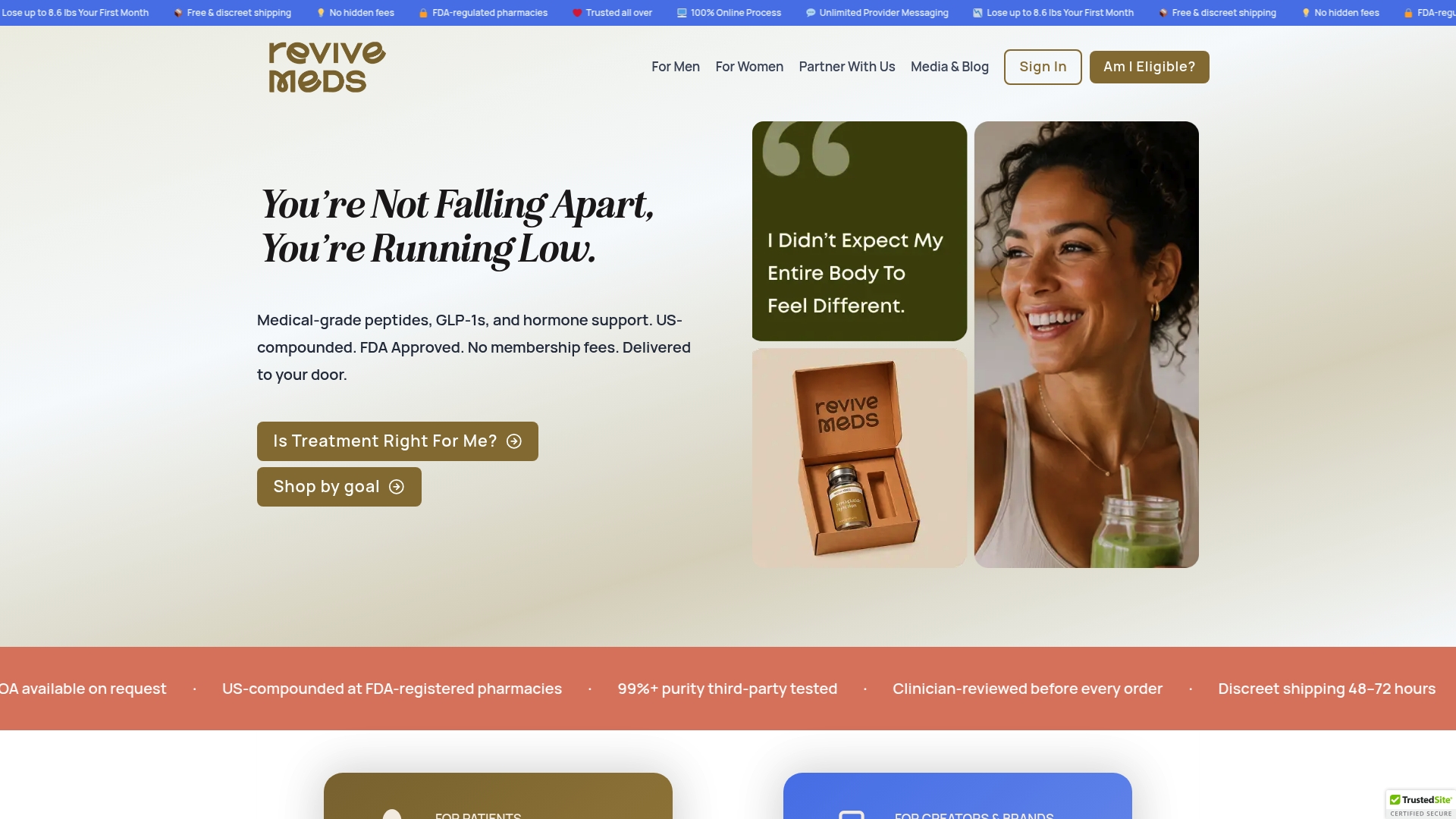
Revive-meds was built specifically for this gap. Backed by Revive Health Therapy, a behavioral health clinic founded in 2019, Revive-meds is the first mental health clinic to formally integrate metabolic and peptide therapy into a whole-person care model. If you are curious about how brain receptor function and metabolic health connect to cognitive performance, Revive-meds offers clinician-reviewed, US-compounded treatments with unlimited provider messaging and HSA/FSA eligibility. Care ships to your door in 48–72 hours, with no membership fees and no waiting rooms. Explore peptide therapy options to see whether whole-body support fits your current plan.
FAQ
What is the most effective therapy for adult ADHD?
The most effective approach combines stimulant medication with cognitive behavioral therapy. CBT combined with medication improves quality of life and reduces anxiety more than either treatment alone.
Is CBT or medication better for ADHD?
Both are effective, but for different outcomes. Medication reduces symptom intensity faster, while CBT builds lasting executive function skills and emotional regulation strategies.
How do I find an ADHD-specialized therapist?
Look for licensed therapists who list adult ADHD as a primary specialty and use structured, skills-based CBT protocols. Generic counselors without ADHD training often miss the executive function component that drives real improvement.
Can mindfulness replace medication for ADHD?
Mindfulness cannot replace medication for most adults with moderate to severe ADHD. It works best as a stress-reduction complement to clinical treatment, not as a stand-alone intervention.
What is ADHD coaching and how does it differ from therapy?
ADHD coaching is a practical, individualized approach focused on daily accountability and goal-setting. Unlike licensed therapy, it does not address underlying emotional or psychological issues and works best when paired with clinical care.