

How to Document Health Goals in Telehealth Intake

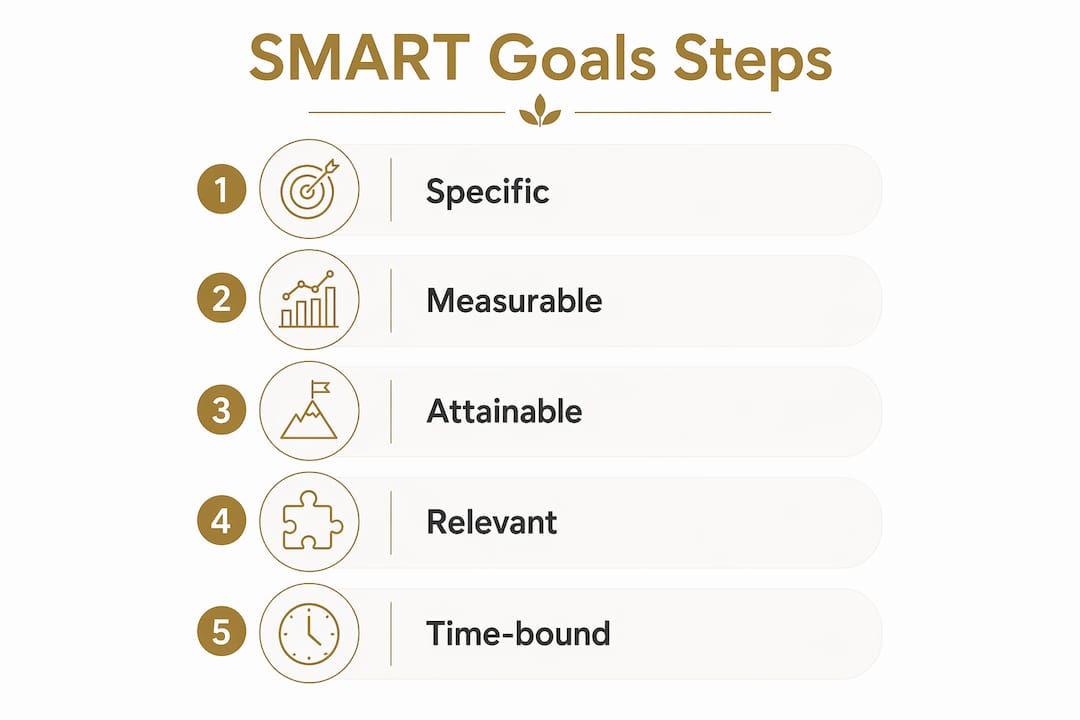
Documenting health goals during a telehealth intake is the foundation of personalized remote care. A telehealth intake form, also called a virtual intake questionnaire, collects your demographics, medical history, current medications, and specific health objectives before your first appointment. The SMART goal framework (Specific, Measurable, Attainable, Relevant, Timely) is the clinical standard for writing goals that clinicians can actually act on. HIPAA privacy practices govern how all of this information is stored and shared. Get this step right, and your first visit becomes a real clinical conversation instead of a data collection session.
What does documenting health goals in telehealth intake actually mean?
Telehealth intake is the structured process of collecting patient information before a first virtual visit. That information includes demographics, emergency contacts, informed consent, medical and psychiatric history, current medications, presenting symptoms, and your stated health goals. Documenting your goals within this process means writing them down in a format your clinician can review, assess, and build a care plan around. Vague entries like “feel better” or “lose some weight” give clinicians almost nothing to work with. Specific, written goals change the entire quality of your first appointment.
The intake form is not a formality. Thorough intake documentation gives clinicians a baseline they can reference at every future visit to measure your progress. Without that baseline, tracking outcomes over time becomes guesswork for both you and your care team.

What information do you need to prepare before completing your intake form?
Gathering the right information before you open the form saves time and produces better clinical results. Completing a telehealth intake typically takes 15–30 minutes, and your first visit usually runs 30–60 minutes total. Arriving prepared means that time goes toward clinical decisions, not data entry.
Collect these items before you start:
- Demographics and contact details: Full legal name, date of birth, address, phone, and emergency contact.
- Medical and psychiatric history: Diagnoses, past surgeries, hospitalizations, and any relevant family history.
- Current medications and supplements: Include dosages and how long you have been taking each one.
- Recent lab results: Providers commonly request labs within the past 12 months, including HbA1c, metabolic panels, and lipid panels where relevant.
- Accurate biometrics: Current height, weight, and blood pressure if you have a home cuff.
- Consent forms: Telehealth consent and financial policy acknowledgments are typically required before the form is submitted.
- Your stated health goals: Written in plain language with a target and a timeline.
When you write your goals, apply the SMART criteria from the start. “I want to lose 15 pounds in 4 months by following a reduced-calorie plan” is a SMART goal. “I want to get healthier” is not.
Pro Tip: Write two or three goals ranked by priority. Clinicians can only address so much in a single visit, and ranking helps them focus on what matters most to you first.
How do clinicians review your documented goals and build your care plan?
Telehealth assessment is a clinician-led process that goes well beyond reading a completed form. After you submit your intake, your clinician reviews your symptoms, diagnoses, allergies, medications, past treatments, and stated goals to assess medical appropriateness and safety. They may approve your plan, request additional information, order labs, or refer you to a specialist. The decision depends entirely on the quality of what you submitted.
When your intake is complete and clear, the consultation shifts from data collection to clinical dialogue. Your clinician can spend the appointment discussing treatment options, adjusting goals based on your history, and explaining what realistic progress looks like for your specific situation. That shift is significant. It means you get a real conversation instead of a 30-minute intake interview.
“Comprehensive intake capturing history, symptoms, and goals is essential for tailored behavioral health care.” — Valant
Clinicians also use intake data to flag risk and safety concerns before the appointment begins. If your goal involves rapid weight loss and your intake shows a history of an eating disorder, your clinician will address that conflict proactively. Baseline documentation from your first intake also becomes the reference point for every follow-up visit, making remote health tracking far more accurate over time.
What legal and privacy requirements apply to telehealth intake documentation?
Telehealth intake documentation carries specific legal obligations that differ from standard in-person care. HIPAA mandates a Notice of Privacy Practices with electronic acknowledgment before or at your first virtual visit. State laws may layer additional telehealth-specific consent requirements on top of federal rules. You need to read and acknowledge both before your intake is considered complete.
Identity verification is a non-negotiable step. Standard HIPAA compliance requires at least two patient identifiers to be verified and recorded electronically during intake. Typically this means your full name plus your date of birth or a government-issued ID number. Skipping this step creates compliance gaps that can affect your care and your provider’s billing.
The documentation requirements for billing are equally specific:
- Patient physical location at the time of service must be recorded in the medical record.
- Service modality (video, audio-only, or asynchronous messaging) must be documented for each visit.
- Consent and identity verification must be noted with the method used and the date it occurred.
- HIPAA privacy acknowledgment must be recorded as received before clinical services begin.
Recording location, modality, and consent details is a core telehealth documentation practice required for both compliance and reimbursement. Medicare and most commercial payers audit these records. Missing entries can result in claim denials or require repayment. You can review Revive-meds’s full telehealth consent process to understand exactly what acknowledgments are required before your first visit.
Privacy in your physical environment also matters. HIPAA telemedicine guidance notes that patients should select a private location for their virtual visit and may need to acknowledge confidentiality risks if a fully private space is not available. A bedroom with a closed door is better than a shared living room. This is not a technicality. It protects the confidentiality of everything you share during your appointment.
How do SMART goals improve your telehealth intake and care outcomes?
The SMART framework is the most effective tool for writing health goals that clinicians can use. Cleveland Clinic recommends defining measurable short-term fitness goals with specific numbers and timelines, typically within a 6-month window. That guidance applies directly to telehealth intake. Goals written without structure are difficult to assess, track, or adjust.
Here is how a vague goal compares to a SMART goal in practice:
| Goal type | Example | Clinical value |
|---|---|---|
| Vague | “I want to lose weight” | Low. No baseline, no timeline, no measure of success. |
| SMART | “Lose 20 lbs in 5 months through GLP-1 therapy and a 500-calorie daily deficit” | High. Clinician can assess feasibility, track progress, and adjust dosing. |
| Vague | “I want more energy” | Low. Subjective and unmeasurable without further context. |
| SMART | “Reduce fatigue enough to walk 30 minutes daily within 8 weeks of starting treatment” | High. Ties a subjective symptom to a measurable behavioral outcome. |
Structured goal setting rooted in SMART criteria produces better outcomes than vague, unstructured goals in telehealth. The reason is simple. Clinicians make decisions based on data. A goal with a number, a timeline, and a method gives them data. A goal without those elements gives them nothing to measure against at your next visit.
Pro Tip: Include context behind each goal. If you have tried a weight loss program before and it did not work, say so. That history shapes your clinician’s recommendations more than the goal itself.
What common mistakes should you avoid when completing your telehealth intake?
The most common intake mistake is submitting incomplete or vague information and assuming the clinician will fill in the gaps. They cannot. Success in telehealth depends heavily on the quality of the baseline intake documentation. Patients who provide context behind their goals, including prior attempts and personal constraints, receive more targeted care from the first visit.
Watch for these specific pitfalls:
- Overloading the form with everything at once. Use progressive disclosure. Answer what is asked in each section before adding unsolicited detail. Well-designed intake forms guide you through this naturally.
- Writing goals without numbers or timelines. A goal without a measurable outcome cannot be tracked. Add a specific target and a realistic deadline.
- Skipping document uploads. If your intake requests recent labs or a photo ID for identity verification, upload them before submitting. Missing documents delay your appointment or force a follow-up request.
- Ignoring the privacy environment. Completing your intake in a public space or on an unsecured network creates real confidentiality risks. Use a private location and a secured Wi-Fi connection.
- Failing to ask questions. If a section of the form is unclear, use your provider’s messaging system to ask before submitting. Revive-meds offers unlimited provider messaging so you can clarify anything before your first visit.
Pro Tip: Review your completed intake form before you submit it. Read each goal out loud. If it sounds vague to you, it will read as vague to your clinician.
Key Takeaways
Documenting health goals in telehealth intake requires structured, specific information submitted before your first visit so clinicians can build a personalized, measurable care plan from day one.
| Point | Details |
|---|---|
| Prepare before you start | Gather labs, medications, biometrics, and written goals before opening the intake form. |
| Use SMART goals | Write goals with specific numbers, methods, and timelines so clinicians can track progress. |
| Meet legal requirements | Acknowledge HIPAA privacy notices and complete identity verification before your first visit. |
| Document for billing | Record your location, service modality, and consent details to protect reimbursement eligibility. |
| Avoid vague submissions | Incomplete or unstructured intake data delays care and reduces the quality of your first appointment. |
Why your intake form is the most underrated part of telehealth
Most patients treat the intake form as a checkbox. Fill it out, submit it, move on. That approach costs them the most valuable part of their first appointment.
I have seen this pattern repeatedly. A patient spends 10 minutes on a form that deserved 30. They write “lose weight” as their goal, skip the lab upload section, and show up to their first visit expecting the clinician to do the heavy lifting. The clinician then spends the first 20 minutes collecting the information that should have been in the intake. The actual clinical conversation gets compressed into whatever time is left.
The intake form is your opportunity to brief your clinician before they ever speak to you. The more specific and complete your submission, the more your clinician can prepare. They can review your history, flag potential concerns, and walk into your appointment with a preliminary plan already forming. That is a fundamentally different experience than starting from zero.
My strongest advice: treat your health goals section like a professional brief. State what you want, why you want it, what you have already tried, and what constraints you are working within. That level of context turns a routine intake into a genuine clinical partnership from the very first visit.
— Amy
Revive-meds: telehealth intake built around your goals
Revive-meds is a licensed telehealth clinic that integrates clinician-reviewed intake with personalized care planning across GLP-1, peptide, and hormone therapies. Every intake is reviewed by a licensed clinician before any treatment is approved or shipped. HIPAA compliance, electronic consent, and identity verification are built into the process from the start.
If your goals include weight loss, Revive-meds offers dedicated programs for both men and women using medical-grade semaglutide, with care delivered to your door in 48–72 hours. No membership fees, no waiting rooms, and no one-size-fits-all plans. Your intake drives your plan, and your plan is built around the goals you document from day one.
FAQ
What is a telehealth intake form?
A telehealth intake form is a secure online questionnaire completed before your first virtual visit. It collects your demographics, medical history, medications, and health goals so your clinician can prepare a personalized care plan.
How long does a telehealth intake take to complete?
Completing a telehealth intake form typically takes 15–30 minutes. Gathering your documents and lab results beforehand keeps the process closer to 15 minutes.
What makes a health goal good enough for a telehealth intake?
A strong health goal follows the SMART framework: it is specific, measurable, attainable, relevant, and time-bound. “Lose 15 pounds in 4 months” is a SMART goal. “Get healthier” is not.
Is my health information safe in a telehealth intake form?
Yes, when submitted through a HIPAA-compliant platform. HIPAA requires electronic acknowledgment of privacy practices before your first visit, and identity verification must be recorded to protect your data.
Can I update my health goals after submitting my intake?
Yes. Most telehealth platforms allow you to update your goals through secure provider messaging or at follow-up visits. Revive-meds includes unlimited provider messaging so you can communicate changes to your care team at any time.